
THE NEXT
FOREVER.
New Stories for a Changing Planet
The climate crisis is the defining challenge of our time, not only ecological, but existential.
We are not only contending with rising temperatures and collapsing ecosystems; we’re battling a profound failure of imagination.
The stories we’ve inherited no longer serve us. What we need now are new myths, new visions, narratives bold enough to match the scale of the moment.
ENTER THE
NEXT FOREVER.
A groundbreaking collaboration between The Civilians and Princeton University’s High Meadows Environmental Institute and Lewis Center for the Arts. This initiative recognizes that the arts are not a luxury in times of crisis, but a necessity. It harnesses the unique power of theater to make the invisible visible, to humanize complexity and to inspire collective action. Through new commissions, The Next Forever brings together artists and scientists to cultivate storytelling that galvanizes public engagement.
At a time when we need more than data, we need meaning. The Civilians are rising to meet the moment. We know how to turn inquiry into impact. And Princeton offers a rare ecosystem, where disciplines collide in ways that spark insight and agency. Together, we are shaping stories that don’t just reflect our world, they help remake it.
WHAT WE
ARE DOING.
The Next Forever nurtures storytellers at the intersection of art, science and social change, those bold enough to ask not only what is, but what if. Each year, through a national open call, we invite playwrights, composers and multidisciplinary theater-makers to propose new work that confront the planetary crisis with rigor and ambition.
Two artists are selected annually to receive commissions and residencies at Princeton University. The time at Princeton offers access to one of the most dynamic intellectual ecosystems in the world. With full support from The Civilians and the High Meadows Environmental Institute, artists are invited to immerse themselves in research, engage with scholars across disciplines, and collaborate with Princeton’s Lewis Center for the Arts.
Rather than beginning with a script, our artists begin with questions. We believe that the most urgent theater begins in inquiry, and we empower Next Forever artists to dig deep into climate science, environmental justice, policy, history, psychology and more. Over the course of their residency, artists draft new work, develop it in workshops, and share it in progress.
To deepen this cross-pollination, Civilians Artistic Director Steve Cosson co-teaches a Princeton course on investigative theater and the climate crisis. This is how we connect the artists of today with the scholars and citizens of tomorrow.
'26–'27 NEXT FOREVER COMMISSIONS
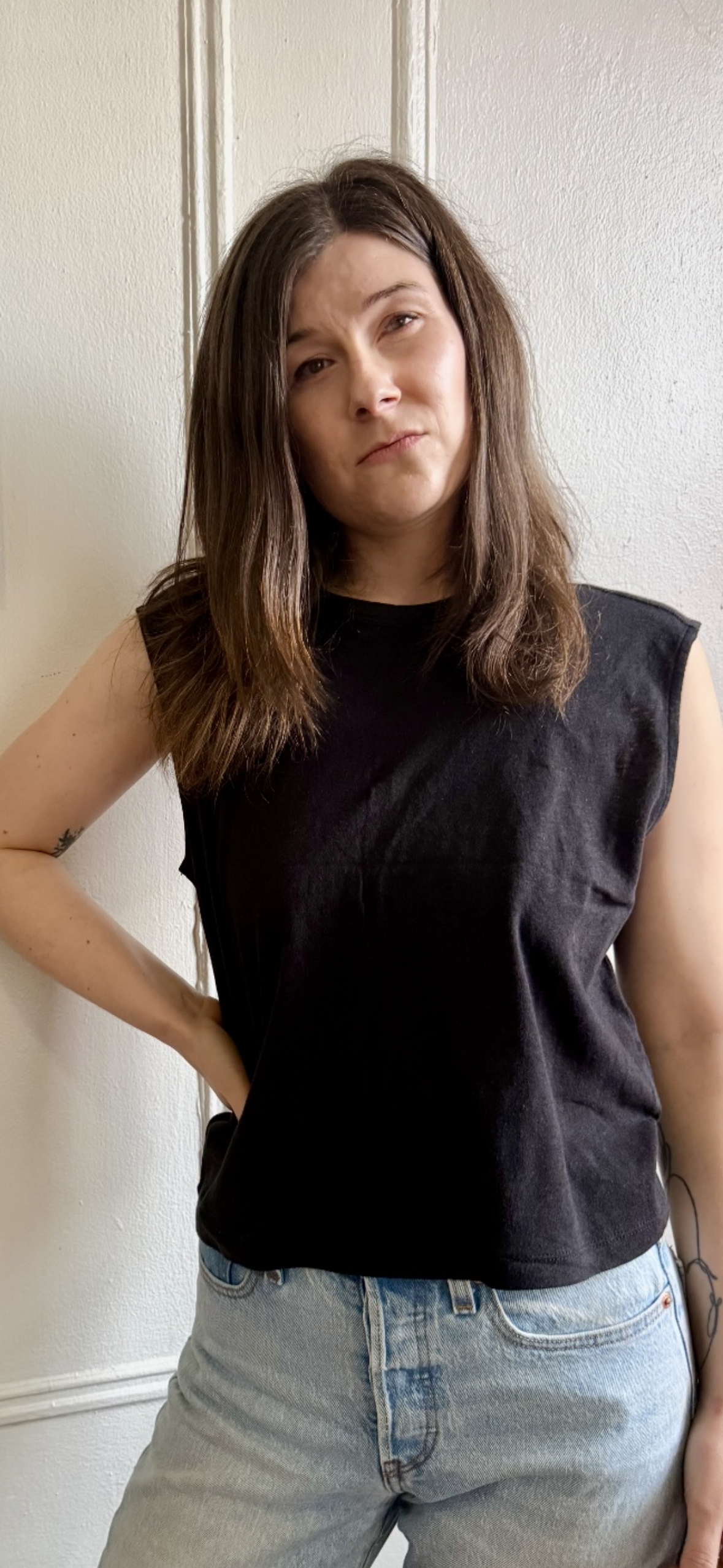
HURRY UP AND BURN
by Lyndsey Bourne
Hurry Up and Burn is a new play about a crew of wildland firefighters on and off the fire line, living with the physical, psychological, and environmental aftermath of fighting wildfires. The play will track how prolonged exposure to smoke and extreme heat, to mental and physical exhaustion and to fire itself, quietly reshapes bodies, labor practices, environmental landscapes and daily life, exploring the effects of wildfire not as a series or season of catastrophes but as an intimate, pervasive invasion.
-
Lyndsey Bourne is a Canadian writer, teacher, and doula. Influenced by her work as a doula, her plays explore the explicit body and the bodily in relation to climate and capital. She teaches writing and devising at Playwrights Horizons Theater School (NYU Tisch) and practices beekeeping at her community garden in Flatbush. Her plays have been developed or presented at La MaMa, Rattlestick, Playwrights Horizons, The Civilians, Page 73, The Ojai Playwrights Conference, MTC, New York Stage and Film, Ars Nova, The Public, and others. She was a member of the 2024–2025 Civilians R&D Group, Page 73’s 2025 Writers Group, EST/Youngblood, Ars Nova’s Play Group, and the New Georges Jam. She’s held residencies at SPACE on Ryder Farm, MacDowell, and New Roots. She holds a B.F.A. from NYU and an M.F.A. from Brooklyn College, where she studied with Mac Wellman and Erin Courtney.
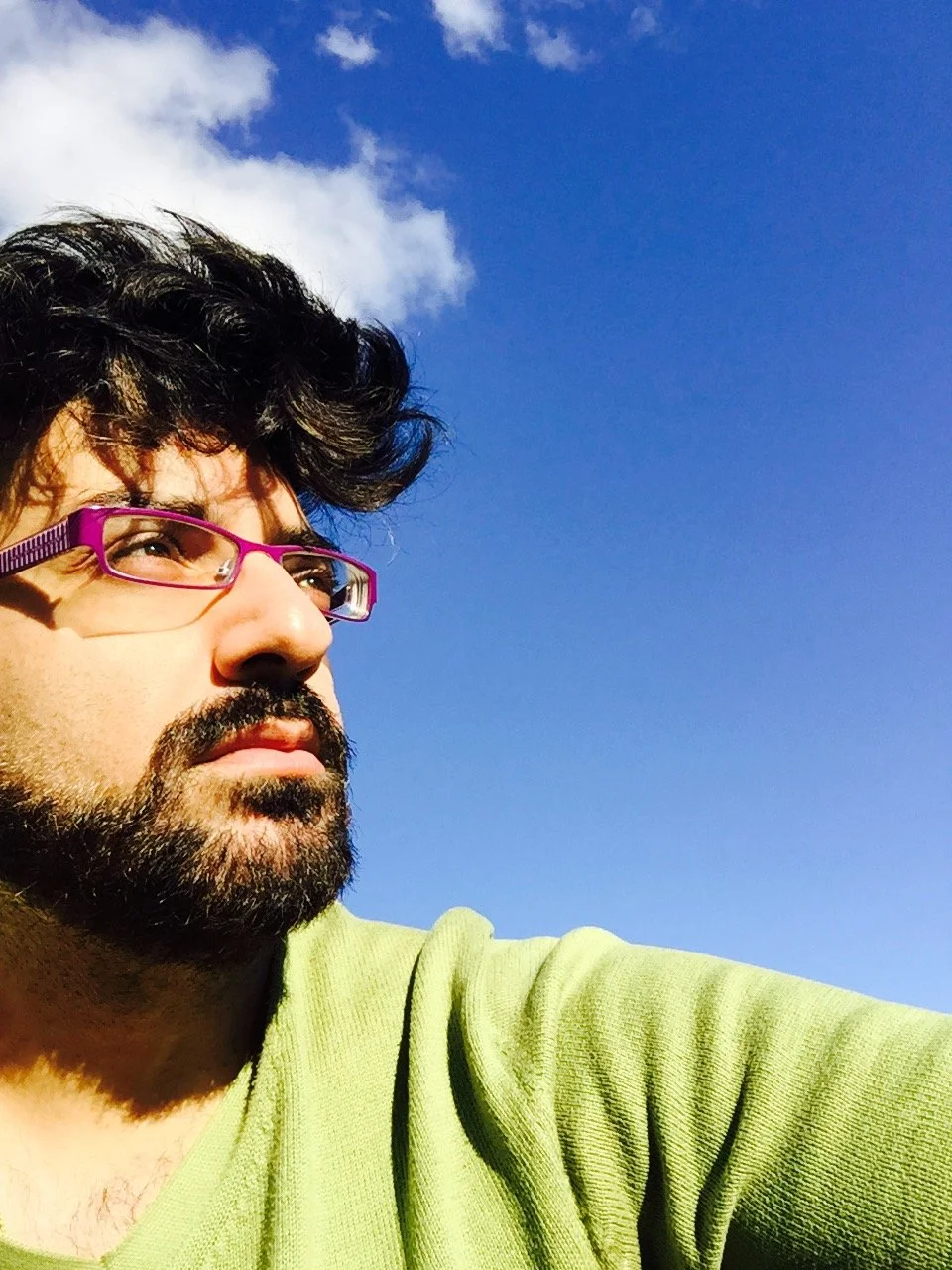
THE SHORE IS NOT WHERE WE LEFT IT
by SEVAN
The gods disappeared. An Indian temple dancer is the first to notice. A British colonial surveyor may have been the catalyst. An AI archivist attempts to reconstruct humanity with the few fragments left behind. Across three intertwined timelines, Saltlines explores what happens when an ecosystem vanishes, reshaping memory and the stories we tell to survive.
-
SEVAN is an award-winning immigrant MENASA actor-writer whose work has been developed and produced in New York and London with the Bush Theatre EWG, the Shubbak Festival, EST/Sloan, the Old Vic, Playwrights’ Center, Theatre Royal Stratford East, NAMT, the Orchard Project, PlayPenn, Marin Shakespeare, New Arab American Theater Works, Pipeline Theatre, and The Public Theater EWG. He is a current Folger Artistic Fellow.
PAST COMMISSIONS.
Each year, The Next Forever commissions artists to develop new theatrical works exploring the climate crisis and our changing planet. Explore past projects and meet the artists behind them by selecting a season below.

RED IRIS
by Gloria Majule
In a post-apocalyptic world where Africa is the only surviving continent, a team of African scientists develop a time machine to travel back in time and warn humanity of the impending doom that lies ahead. Their mission is to change the course of history—or, at the very least, delay the devastation and give humanity a fighting chance.
-
Gloria Majule is a storyteller born and raised in Dodoma, Tanzania. She writes for and about Africans and the African diaspora. Gloria has been awarded a MacDowell Fellowship and commissions by Audible, Milwaukee Repertory Theater and Atlantic Theater Company. Her work includes My Father Was Shot in the Back of the Head (Relentless Award Finalist), Culture Shock (Leah Ryan Prize Winner), Uhuru (Alley All New Festival), and Fifteen Hundred (Blue Ink Award Finalist). A 3x O’Neill Finalist and 5x Susan Smith Blackburn Prize nominee, Gloria has been awarded residencies by Yaddo, Art Omi, The New Harmony Project and New York Stage and Film. Her work has been supported by The American Playwriting Foundation, The Alley Theatre, Vassar’s Powerhouse Theater, and The New Group among others. Gloria was the first African woman to receive an MFA in Playwriting from Yale School of Drama.

UNTITLED CLIMATE CHANGE SEX FARCE
by Lightning Rod Special
A rollicking farce set on the eve of the wedding of two wealthy young Americans at a seaside resort. Using Lightning Rod Special’s unique brand of acerbic political satire, U.C.C.S.F. unveils the absurdity of humanity’s self-obsession and its persistent disregard for mounting environmental catastrophe.
-
Lightning Rod Special is an award-winning Philadelphia-based company that makes genre-defying original theater from the ground up. Their work explodes complex and controversial questions with precision and play. Since 2012, they have made eight full-length works, an audio series, and toured their productions to 16 cities in 5 countries. LRS has a history of creating performances around contested American topics. Recent works include SPEECH, a poisonous love letter to cancel culture, The Appointment, a musical satire singing and dancing through the absurdity of the American abortion debate (“Best Theater in 2023” in The New Yorker, “Best Theater in 2019” in The New York Times), and Underground Railroad Game, a time-traveling fever dream about American race relations (2017 Obie Award for “Best New American Theater Work,” “top 25 shows in the past 25 years” by The New York Times). www.lightningrodspecial.com
IF I FORGET THEE, O EARTH
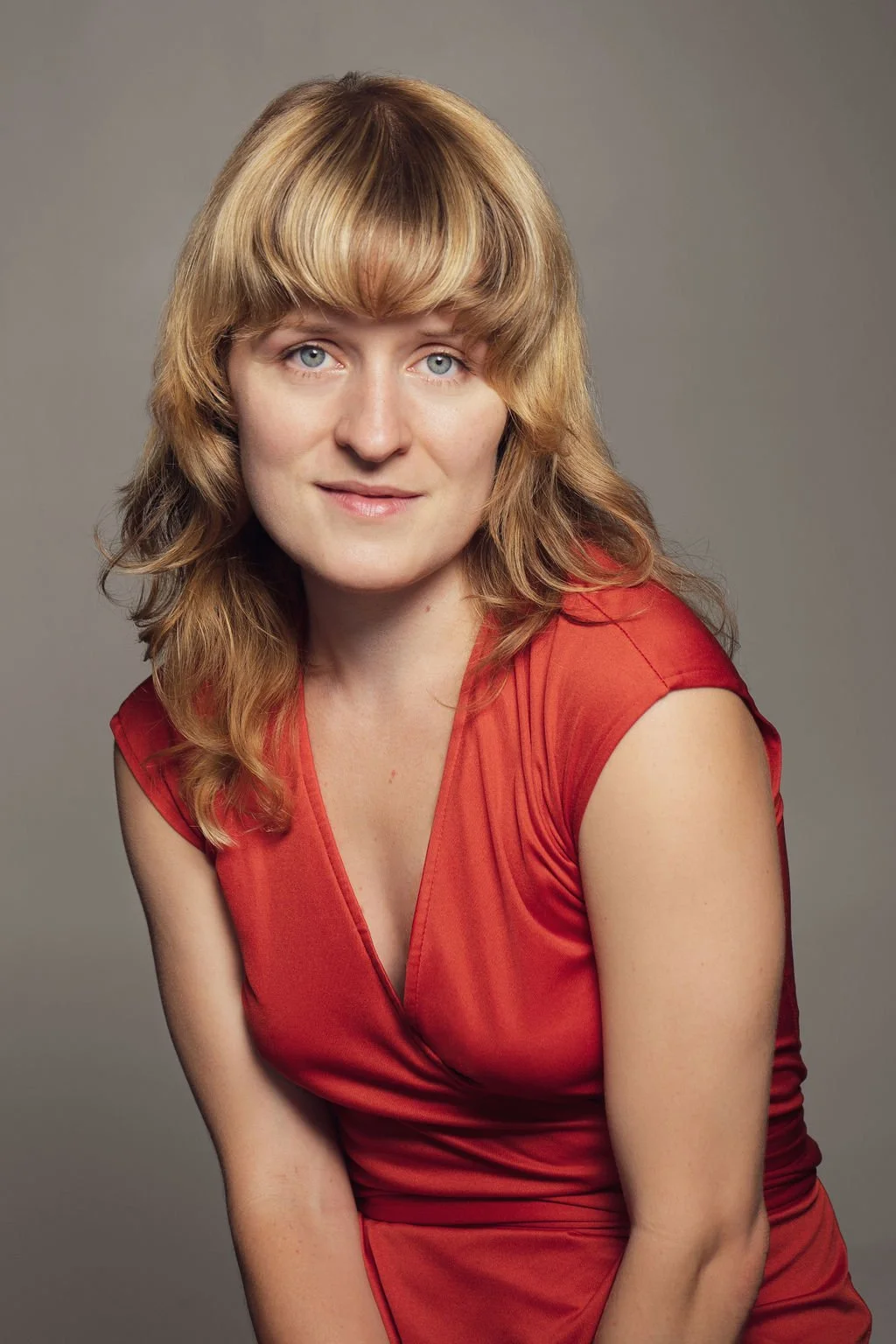
by Kate Douglas
An astronaut and a robot are rehearsing a mission to Mars in the Utah desert that is interrupted by the discovery of fossils. When a paleontologist arrives to assess their significance, it sparks a conflict around the question of habitability and sustainability on Earth and Mars – in this age of mass extinction, whose work is more vital: the futurists or the historians?
EXTENDED PLAY: If I Forget Thee, O Earth: afterimages
EXTENDED PLAY: Loneliness in a Time of Mass Extinction
TOPIA
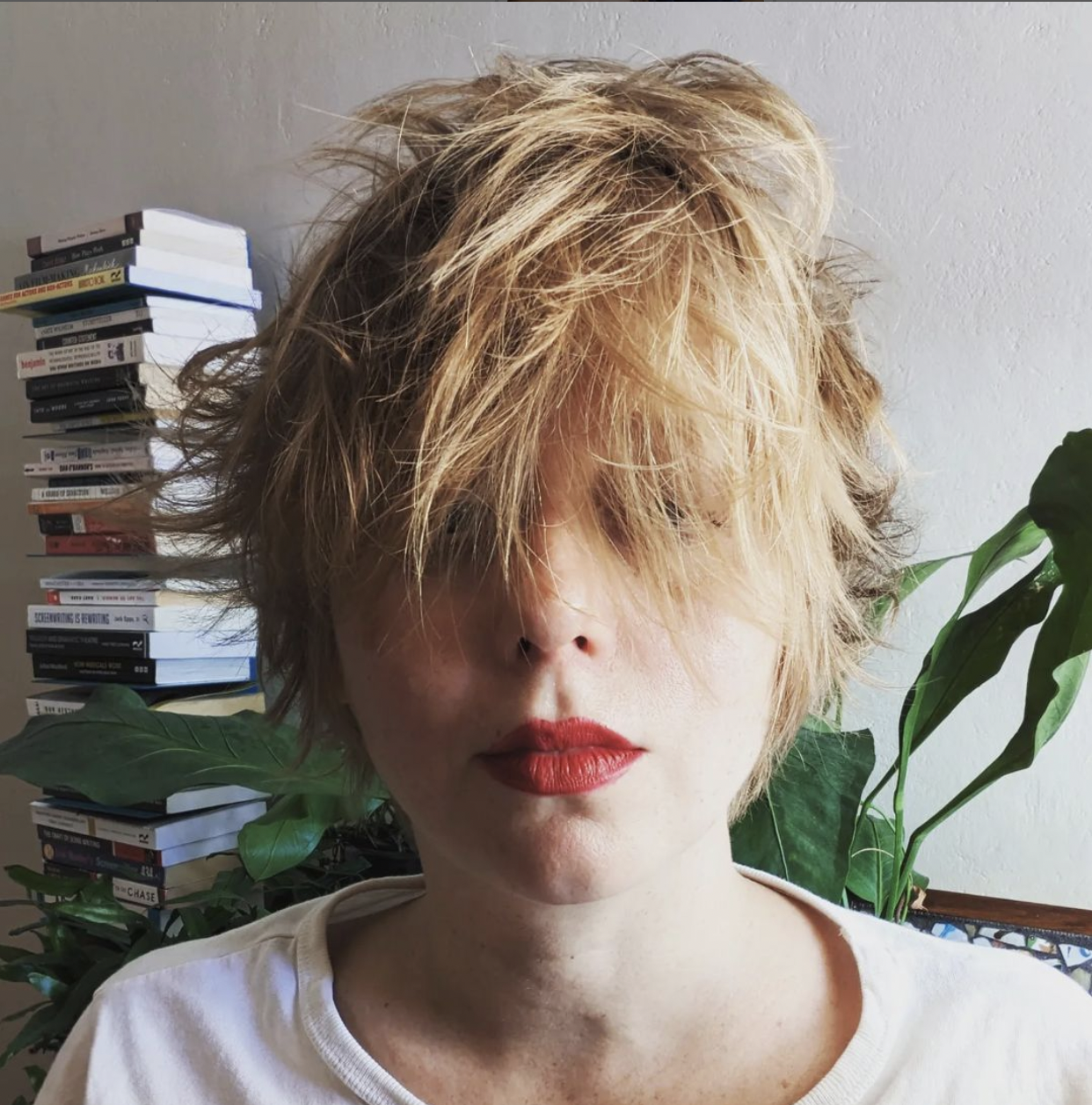
by Kate Tarker
TOPIA is a metafictional journey through optimism, pessimism, and two possible climate futures for Providence, RI. In a rapidly changing city, two very different women imagine their way into each other’s lives— and accidentally open Pandora’s box along the way.

RIPARIAN STATES
by Kareem Fahmy
Riparian States is inspired by true events surrounding the construction of the Grand Ethiopian Renaissance Dam on a tributary of the Nile and the climate-related factors that make this revolutionary project controversial. The play examines how humanity’s relentless harnessing of natural resources to improve our lives has become a double-edged sword in times of climate catastrophe.
EXTENDED PLAY: “Riparian States” — On Creating a Play as Long and Deep as The Nile
EXTENDED PLAY: Choose Your Own “Riparian State”
WHY Y’ALL HATE EARTH SO BAD
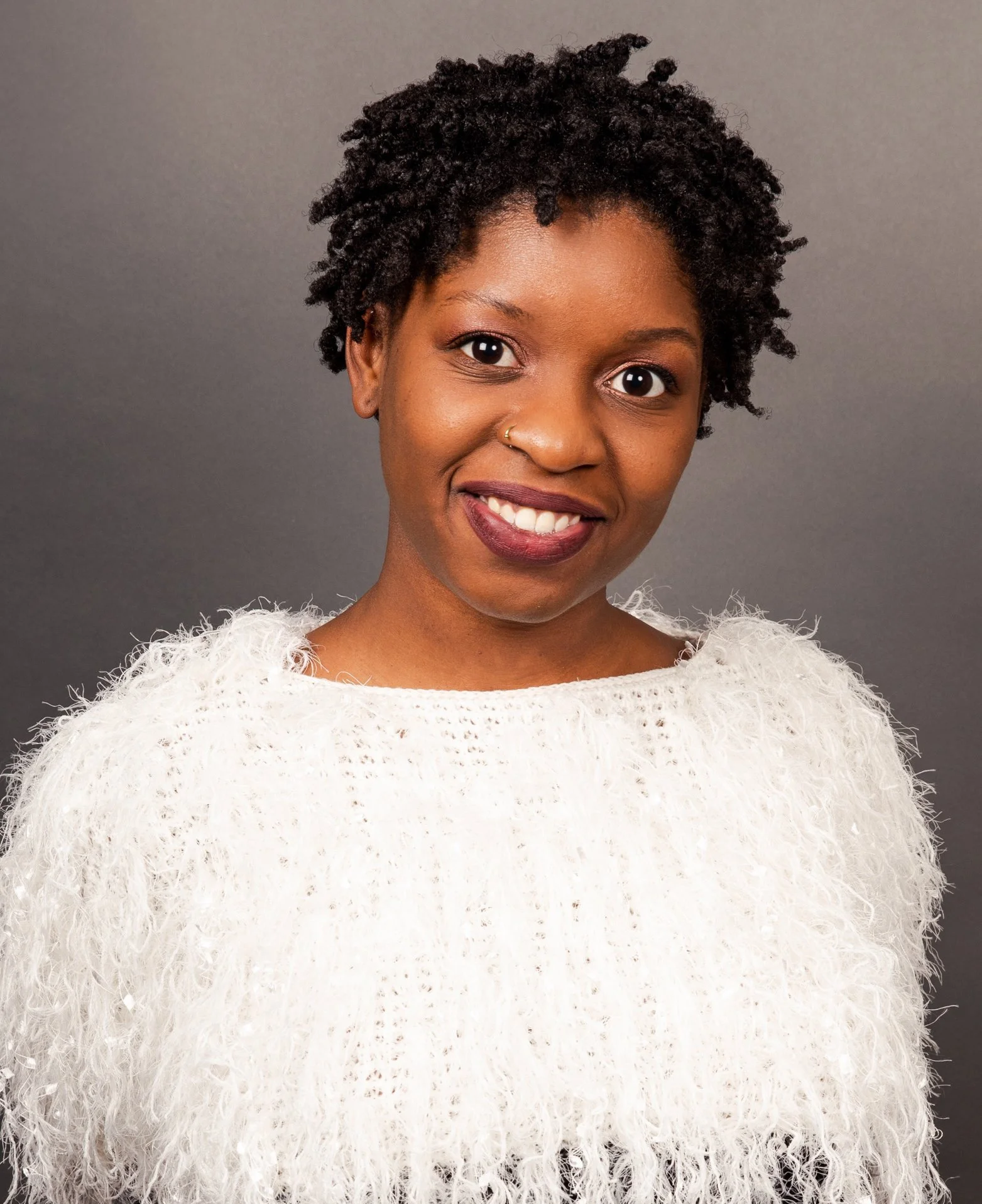
by AriDy Nox
Why Ya’ll Hate Earth So Bad? is an interactive reverse-ancestral play. In its current ideation, it centers a group of young descendants who bootleg the latest in virtual-reality technology to perform a jerry-rigged seance of their respective ancestors from the 21st century, all in the hopes of asking one burning question: Why are ya’ll making Earth so damn unlivable?
The PARTNERS of The Next Forever

The interdisciplinary center of environmental research, education, and outreach at Princeton University – advances understanding of the Earth as a complex system influenced by human activities and informs solutions to local and global challenges by conducting groundbreaking research across disciplines and preparing future leaders in diverse fields to impact a world increasingly shaped by climate change.

The Lewis Center for the Arts at Princeton University believes that art arises out of questions. Its classes and certificate programs in Dance, Creative Writing, Theater, Music Theater, and Visual Arts, and in the interdisciplinary Princeton Atelier, operate on the principle that rigorous artistic practice is a form of research, innovation, discovery and intervention. Like scholarship of any kind, rigorous artistic practice is a way of interrogating that which is accepted or understood in an attempt to break into the territory of the unknown or under-explored